
Hay Bale Chopper
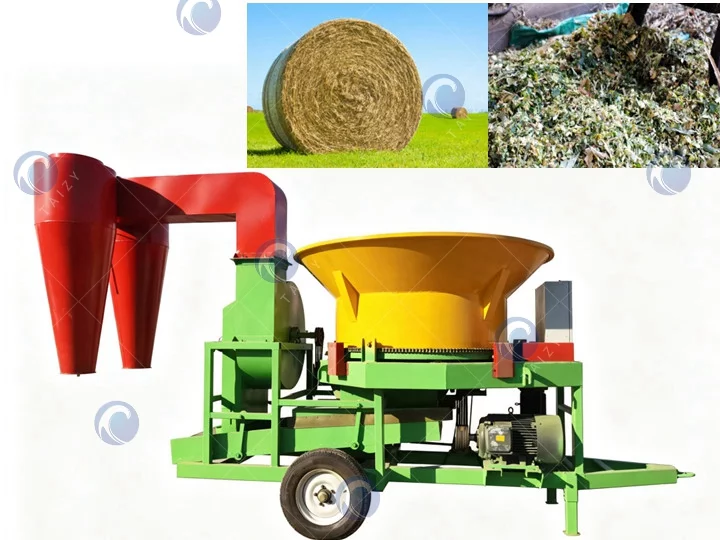
Itu Hay Bale Chopper is an agricultural machine to chop, shred, and break down whole hay and straw bales into smaller pieces for livestock feeding and agricultural processing. It can process round bales and square bales made from hay, alfalfa, wheat straw, rice straw, corn stalks, peanut vines, and other forage materials.
By replacing time-consuming manual bale breaking and cutting, this machine improves feeding efficiency and reduces labor requirements. Depending on the model, the Hay Bale Chopper has a processing capacity of approximately 2–18 T/H, with the chopped material generally adjustable to 3–10 cm.
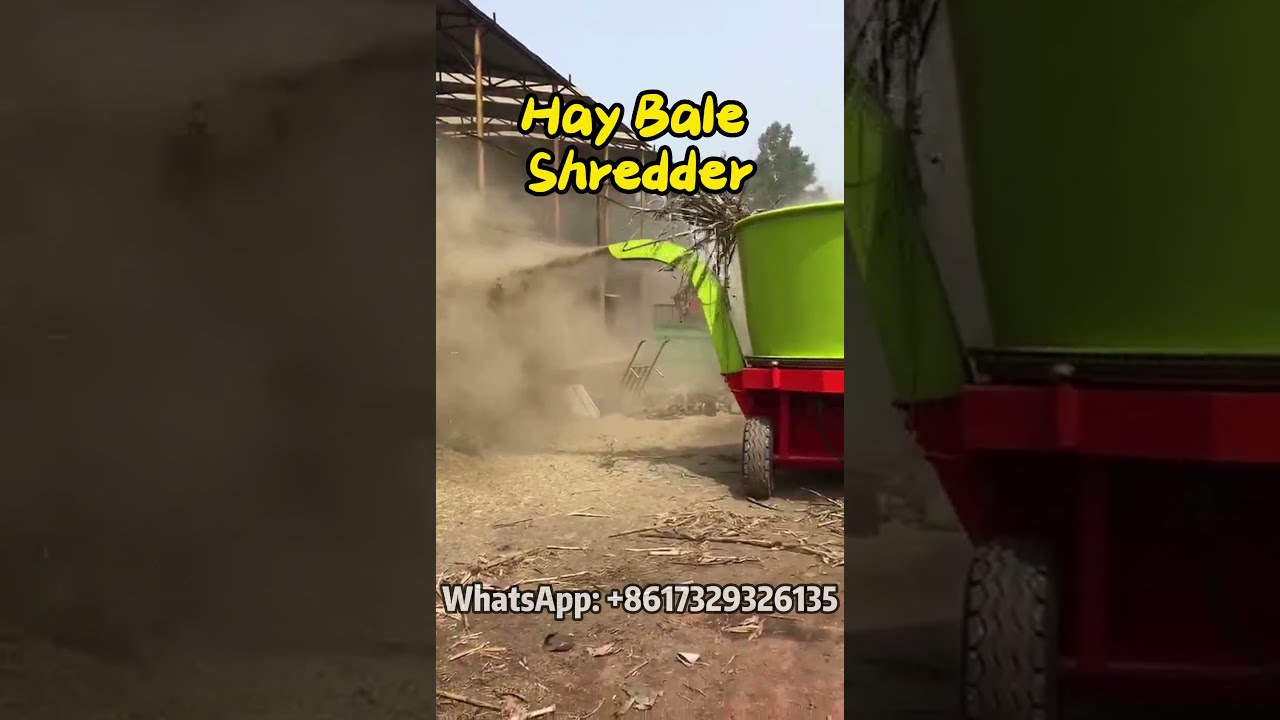
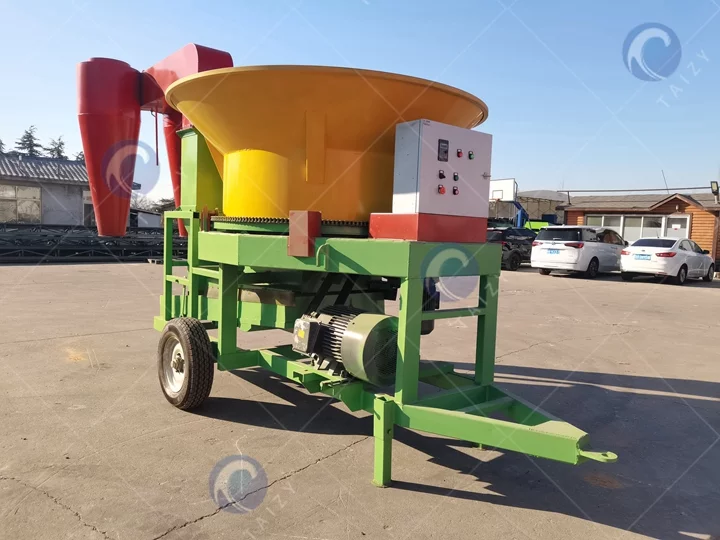
Commercial Hay Bale Chopper for Sale
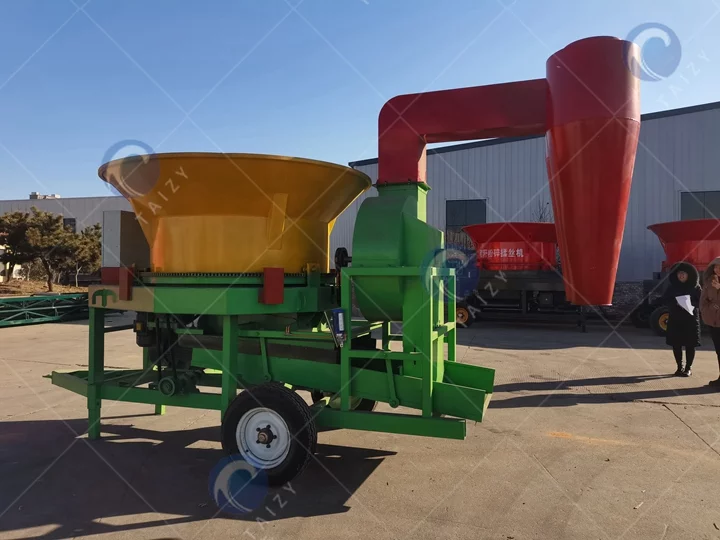
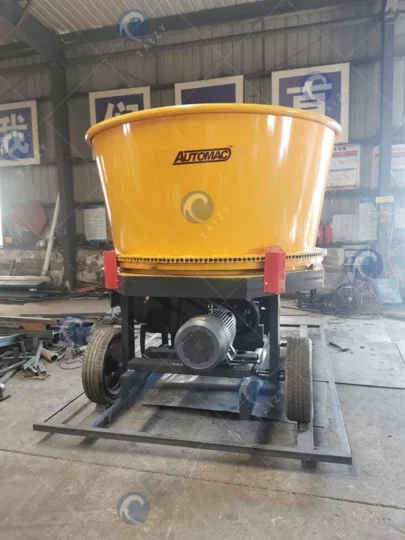
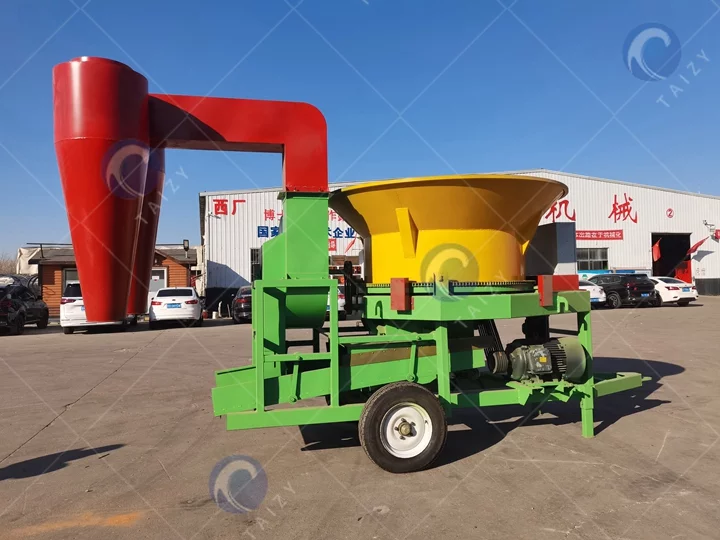
A Hay Bale Chopper is a type of forage processing machine that combines bale breaking, shredding, and chopping functions. Instead of manually opening compressed bales and cutting the material into smaller pieces, operators can feed the whole bale into the machine.
Inside the machine, the feeding system moves the bale into the chopping chamber, where high-speed cutting and crushing components break apart the compressed material. The processed forage is then discharged through the outlet for direct feeding or further processing.
This makes the machine particularly useful for farms that handle large quantities of baled forage every day.
What Materials Can the Machine Process?
Itu Hay Bale Chopper is suitable for a wide range of dry forage and crop residues. Its ability to process different raw materials makes it suitable for both livestock farms and agricultural recycling applications.
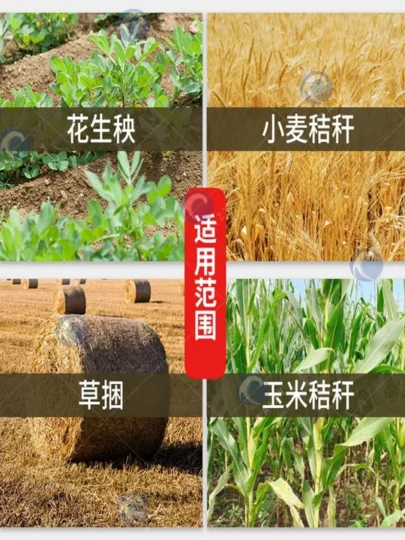
Typical materials include:
- Hay bales
- Alfalfa bales
- Jerami gandum
- Jerami padi
- Batang jagung
- Peanut vines
- Pasture grass
- Dry forage
- Other agricultural crop residues
The machine can handle both round and square bales, depending on the model and feeding configuration.
Hay Bale Chopper Capacity
Capacity is one of the most important factors when selecting a bale chopping machine. Different models are available for farms with different processing requirements.
| Model | Kekuatan | Kapasitas | Chopping Length |
|---|---|---|---|
| 9FL-200 | 22 kW | 2–3 T/H | 3–10 cm |
| 9FL-240 | 37 kW | 5–8 T/H | 3–10 cm |
| 9FL-260 | 75 kW | 6–10 T/H | 3–10 cm |
| 9FL-300 | 90–110 kW | 8–12 T/H | 3–10 cm |
| 9FL-350 | 2 × 55 kW | 12–18 T/H | 3–10 cm |
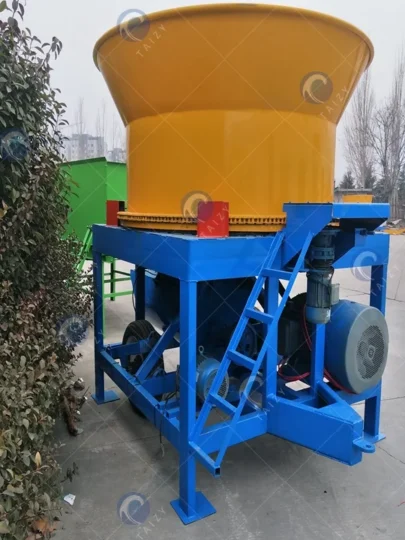
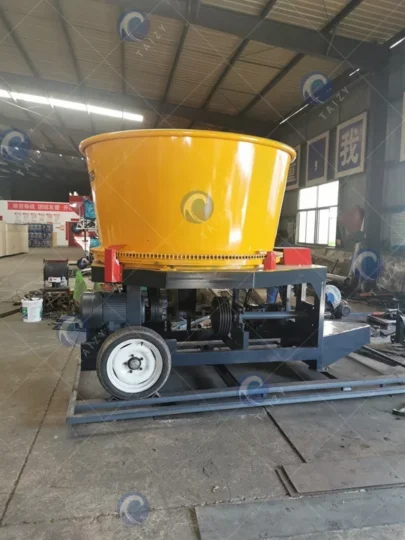
Itu 2–18 T/H capacity range allows customers to select a suitable Hay Bale Chopper according to farm size, daily forage consumption, and production requirements.
For small and medium livestock farms, lower-capacity models can provide sufficient output while reducing investment. Large ranches and commercial feed processing operations can choose high-capacity models for continuous forage processing.
How Does a Hay Bale Chopper Work?
A Hay Bale Chopper processes compressed hay and straw bales through a simple continuous workflow. The main working steps include:
- Bale Loading: Place the round or square hay bale directly into the machine’s feeding inlet. The feeding system is designed to handle whole bales with minimal manual preparation.
- Bale Breaking: The feeding mechanism gradually moves the compressed bale into the chopping chamber while loosening and breaking apart the tightly packed forage.
- Hay Chopping: Rotating blades, hammers, or other cutting components chop the loosened hay or straw into smaller pieces. The chopping size can be adjusted according to the intended application.
- Shredding and Processing: The material is further shredded inside the working chamber to achieve a more uniform texture, making it easier to handle, mix, transport, or feed.
- Material Discharge: Once the forage reaches the required size, it is discharged through the outlet and can be collected directly or transferred to a feed mixer, storage area, or livestock feeding system.
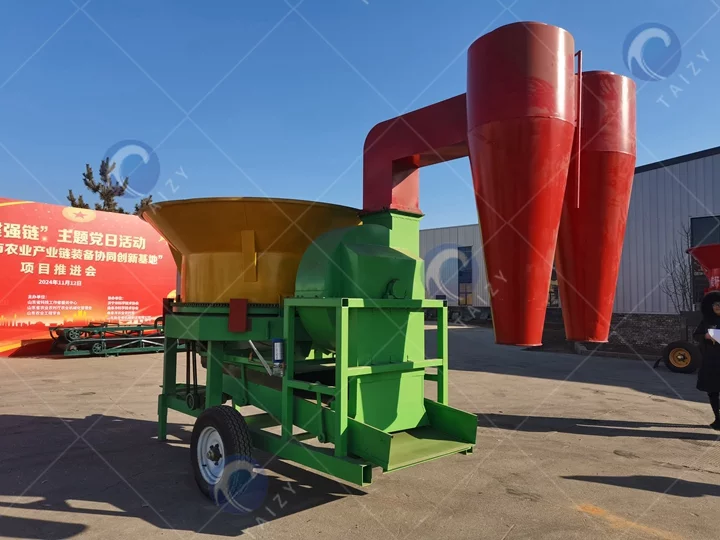
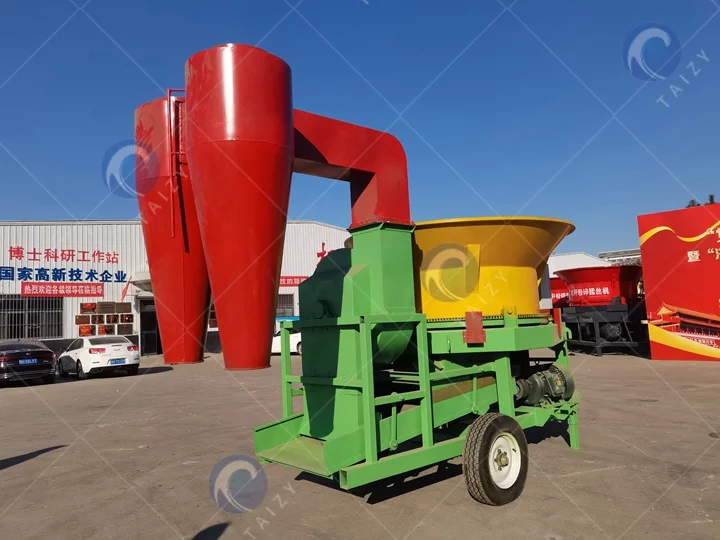
This continuous feeding → breaking → chopping → shredding → discharge process allows the Hay Bale Chopper to efficiently convert compact hay and straw bales into usable forage material.
Adjustable Chopping Size
Different livestock and applications may require different forage particle sizes. The Hay Bale Chopper can produce chopped material in approximately the 3–10 cm range.
Shorter forage can be more convenient for feed mixing and certain livestock feeding applications, while longer pieces can be preferred when maintaining more fiber structure is important.
The appropriate chopping size should be selected according to the animal species, feed formula, and subsequent processing requirements.
Main Features of the Hay Bale Chopper
- Whole Bale Processing: The Hay Bale Chopper can directly handle compressed round or square hay and straw bales, minimizing manual bale opening and preparation.
- 2–18 T/H Capacity: Multiple models are available with processing capacities from 2 to 18 tons per hour, making the machine suitable for both small livestock farms and large-scale forage processing operations.
- Multiple Raw Materials: It can process hay, alfalfa, wheat straw, rice straw, corn stalks, peanut vines, pasture grass, and other agricultural residues.
- Durable Chopping System: Wear-resistant chopping and shredding components are designed to handle dense and fibrous bale materials while supporting continuous operation.
- Adjustable Output Size: The processed forage can be produced in different sizes according to feeding and processing requirements, with a typical chopping range of 3–10 cm.
- Flexible Discharge Options: Different discharge configurations are available to match the customer’s material collection method and overall forage processing layout.
- Reduced Manual Labor: Continuous bale feeding, breaking, and chopping help reduce manual handling and improve the efficiency of daily hay and straw processing.
Applications of Hay Bale Chopper
The machine can be used in various agricultural and livestock operations, including:
- Cattle farms
- Peternakan sapi perah
- Sheep farms
- Goat farms
- Horse farms
- Livestock ranches
- Feed processing facilities
- Agricultural cooperatives
- Forage processing businesses
- Proyek daur ulang jerami
The processed material can be used as livestock forage, feed-mixing material, bedding material, or raw material for other agricultural applications.
Why Choose a Hay Bale Chopper?
For farms handling large quantities of baled forage, manually opening and chopping bales can require considerable time and labor. A mechanical solution allows the entire process to become more continuous and efficient.
A suitable Hay Bale Chopper can help:
- Reduce manual bale handling.
- Improve forage processing efficiency.
- Process large quantities of bales.
- Produce relatively uniform chopped material.
- Handle different types of forage.
- Reduce preparation time before feeding.
- Support large-scale livestock feeding operations.
The machine is therefore a practical choice for farms looking to improve the efficiency of hay and straw preparation.
Kesimpulan
We offer different Hay Bale Chopper models with capacities of approximately 2–18 T/H to meet different forage processing requirements. Customers can choose the appropriate model according to raw material, bale type, required capacity, chopping size, power supply, and working environment.
For customers who need a complete forage processing solution, we also provide hay baler and wrapper machines that can be used together with the Hay Bale Chopper. The baler and wrapper can compact and wrap processed forage into well-formed bales, making them easier to store, transport, and preserve for long-term use.
If you are looking for a Hay Bale Chopper for sale or a complete hay processing solution, contact us for detailed specifications, machine videos, model recommendations, and a customized quotation.
Produk
-
Manure Spreader
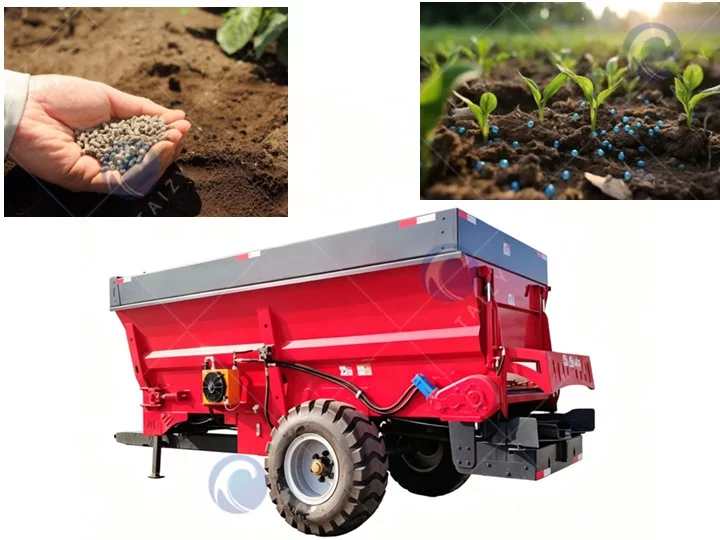
The Manure Spreader is a tractor-pulled agricultural implement engineered for the fast, uniform broadcast of solid organic fertilizers
-
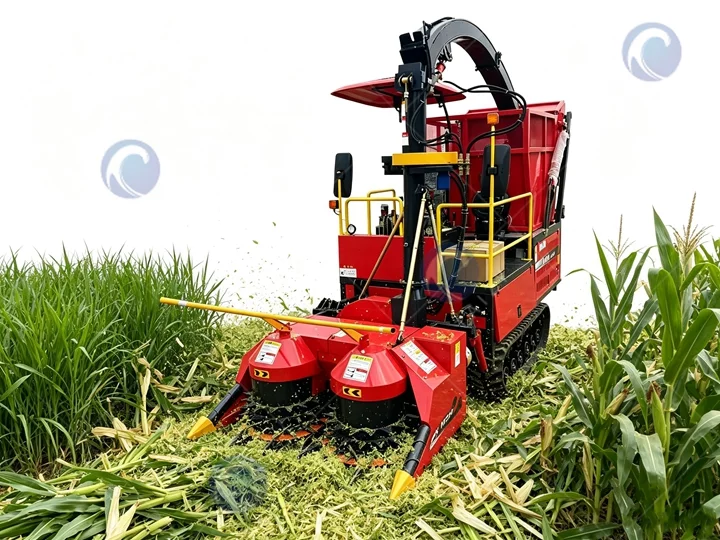
Silage harvesting machine
Our silage harvesting machine is an integrated all-in-one agricultural equipment that completes standing crop cutting, fine chopping, air-blow conveying and direct truck loading in…
-
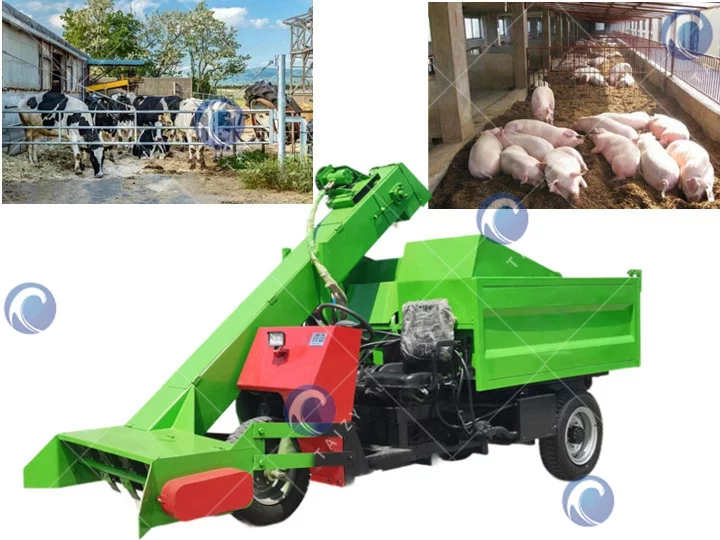
Livestock manure cleaning machine
Livestock manure cleaning machine, also known as cow dung cleaning truck or automatic barn manure scraper, is an integrated mechanized waste removal equipment independently…
-
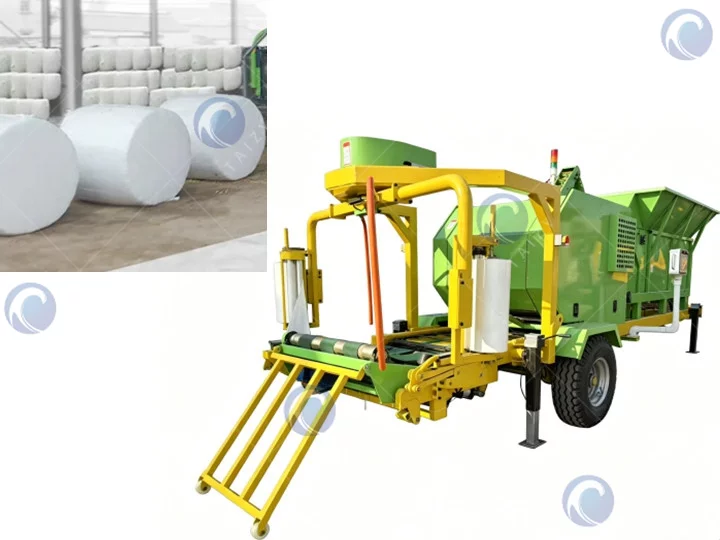
Mesin pengikat pakan hijauan 9YDB-90
Mesin pengikat pakan hijauan 9YDB-90 adalah peralatan pertanian terintegrasi khusus untuk pengolahan pakan silase. Mesin ini menyelesaikan seluruh rangkaian prosedur termasuk otomatis…
-
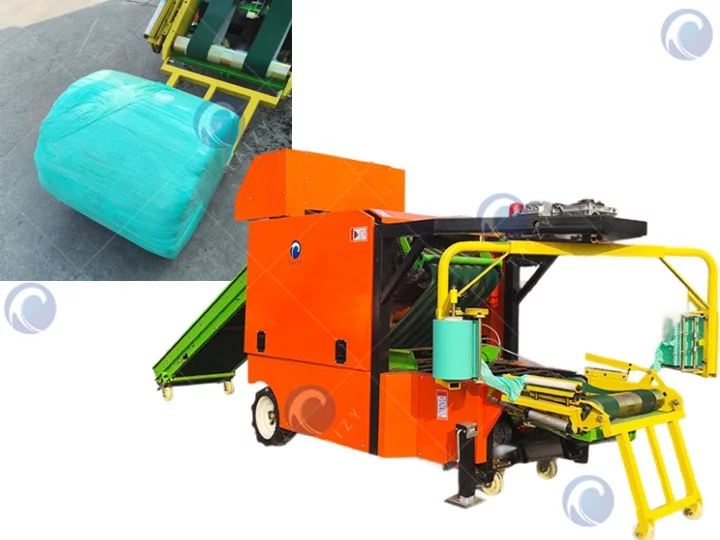
Mesin pembungkus silase rumput film ganda
Mesin pembungkus silase rumput film ganda 9YDB-60-2 adalah solusi otomatis penuh, terintegrasi untuk memproses rumput segar dan pakan menjadi tertutup rapat, berkualitas tinggi…
-
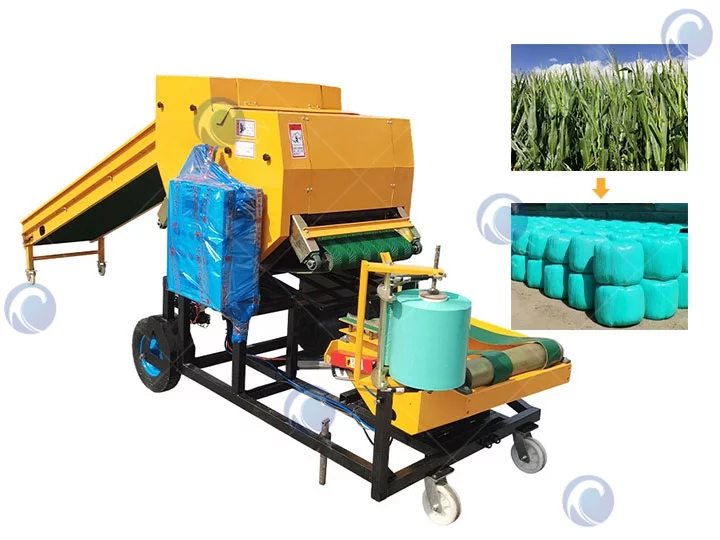
Baler silase jagung | Baler bulat khusus silase
Baler silase jagung model 60 memiliki ukuran bal Φ60×52cm, digerakkan oleh motor listrik 7,5kW-6, mencapai 50-75 bal per jam dengan setiap…
-
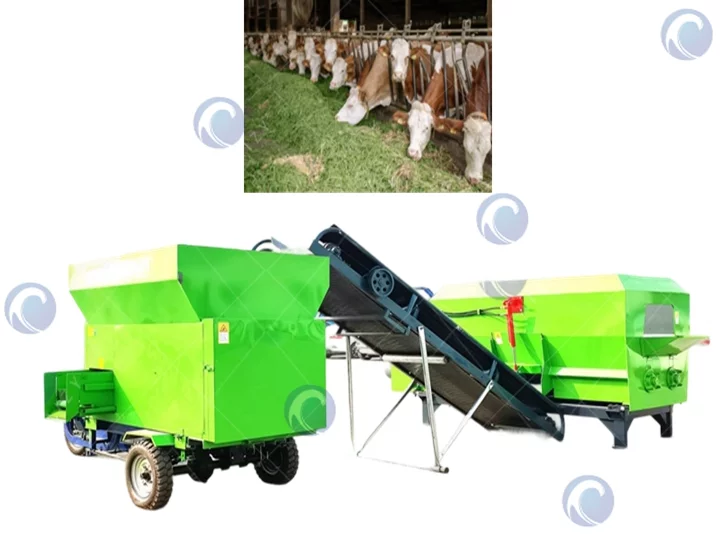
Penebar silase | Mobil pencampur hijauan
Penyebar silase dapat mendistribusikan silase, jerami, dan bahan pakan lainnya secara efisien di ladang.
-
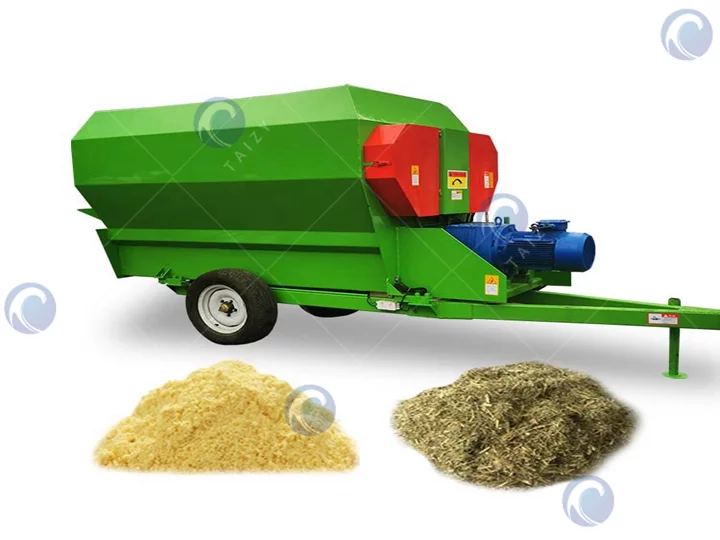
Mesin pencampur pakan TMR | Pencampur pakan ternak
Mesin pencampur pakan TMR (Total Mixed Ration) dapat menciptakan diet seimbang secara nutrisi dengan mencampur secara menyeluruh silase, jerami, biji-bijian, suplemen protein, dan mineral.
-
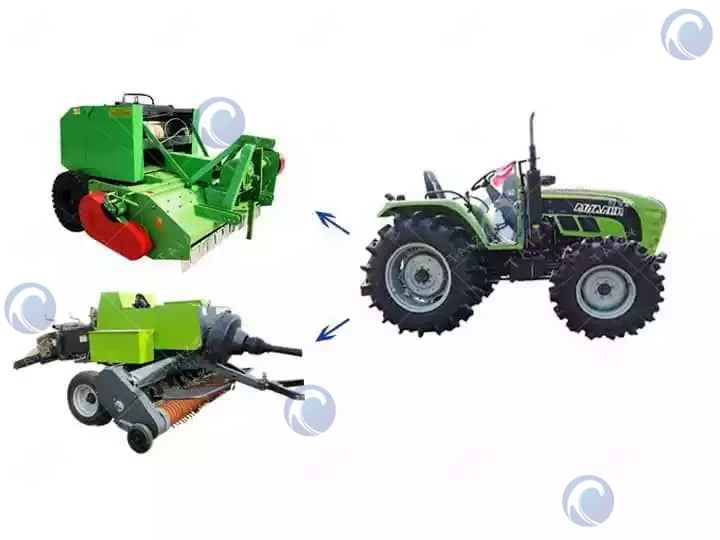
Pemotong jerami dan baler | Mesin baling penghancur jerami
Pemotong dan baler hay adalah mesin yang sangat efisien yang mengintegrasikan pemotongan rumput, pengumpulan, dan pembalakan menjadi satu proses otomatis.
-
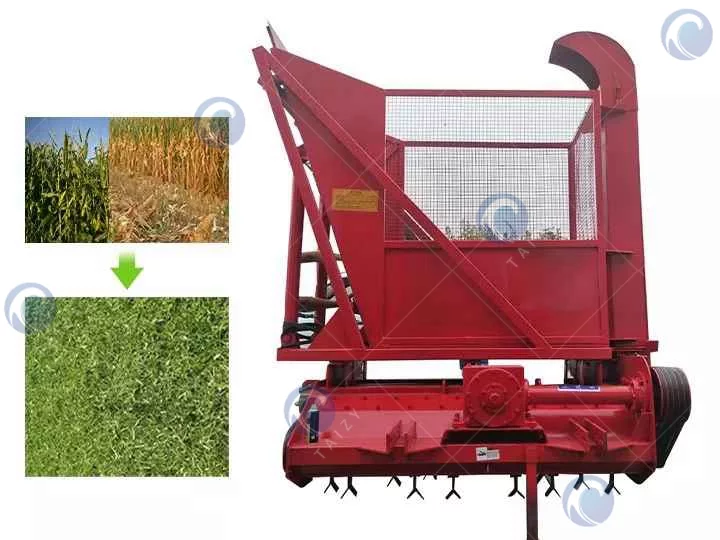
Mesin pemanen silase | Mesin pemanen hijauan
Mesin pemanen silase adalah alat pertanian yang sangat efisien untuk memotong, mengumpulkan, dan mengolah tanaman pakan seperti batang jagung, sorgum, dan rumput menjadi…