
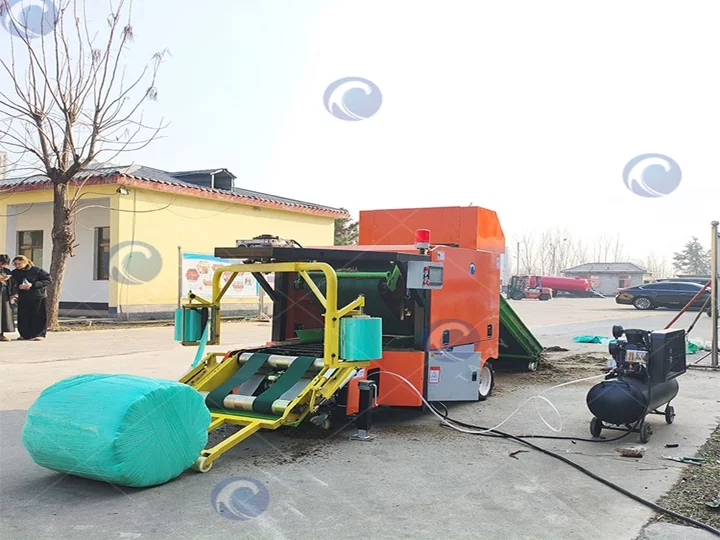
What Is the Difference Between Single-Film and Dual-Film Silage Wrapping Machine?
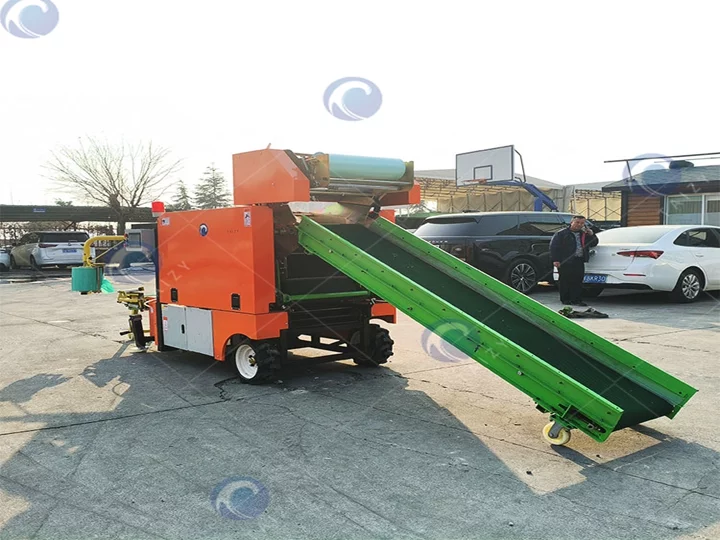
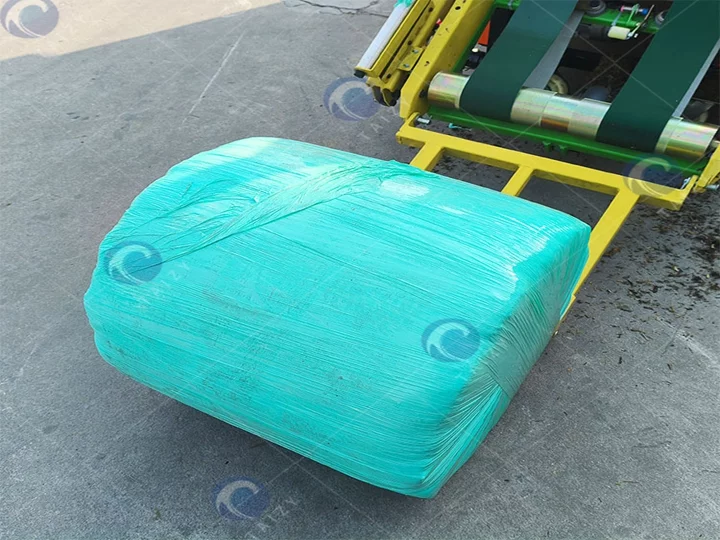
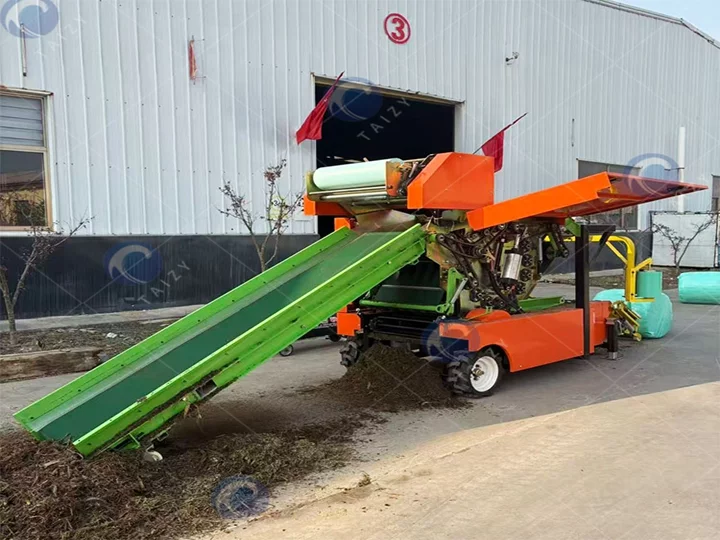
Choosing the right সাইলেজ মোড়ানো মেশিন can make a difference in forage preservation, wrapping efficiency, and daily farm operations. Single-film and dual-film silage wrapping machines are two common options for wrapping grass, alfalfa, and other forage crops into airtight bales.
Although both machines are designed to protect silage from oxygen exposure, they differ in film application, operating efficiency, and suitability for different farming needs.
What Is a Single-Film Silage Wrapping Machine?
A single-film silage wrapping machine uses one film roll to wrap a compacted bale. As the bale rotates or the wrapping mechanism moves around it, the machine applies overlapping layers of stretch film until the bale is sufficiently covered.
This design has a relatively simple structure and is suitable for farms that process a moderate number of silage bales.
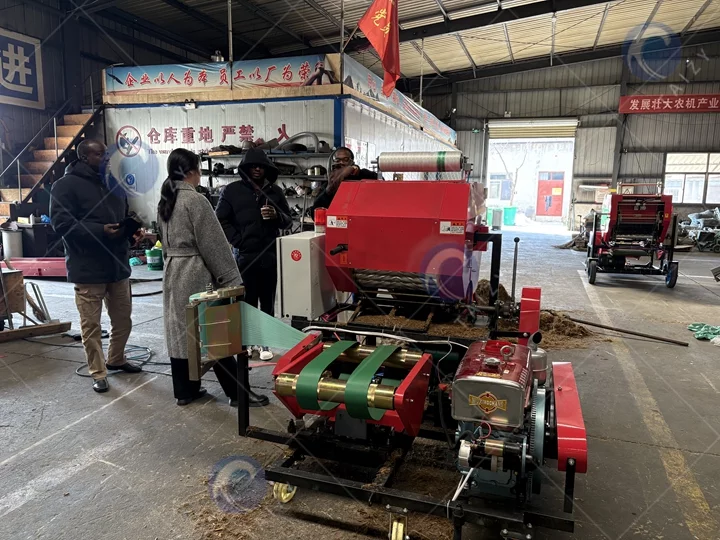
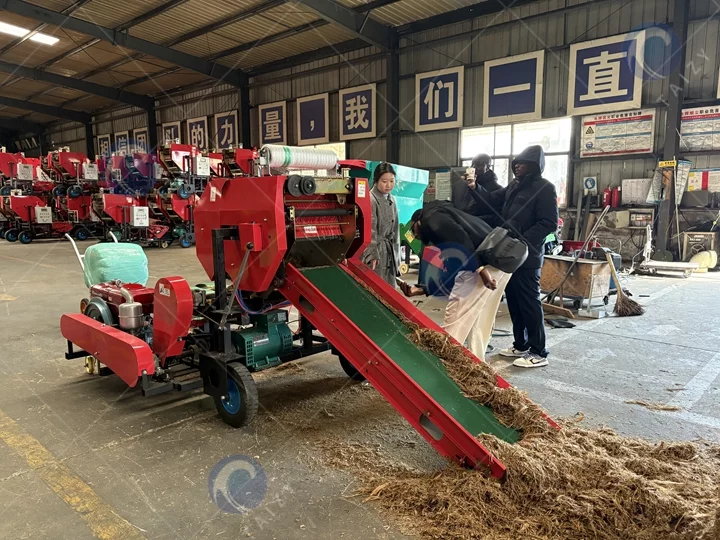
Key Features of Single-Film Wrapping Machines
- Simple operation: One film roll makes loading and replacing film straightforward.
- Lower equipment complexity: The wrapping mechanism generally has fewer film-handling components.
- Flexible operation: Depending on the machine design, it can work as a standalone wrapper or as part of a larger silage operation.
- Suitable for smaller workloads: It can be a practical choice for farms that do not need to wrap large quantities of bales in a short period.
However, a single-film system applies film through one roll at a time. Depending on bale size, the required number of layers, and machine speed, the wrapping cycle may take longer than that of a comparable dual-film model.
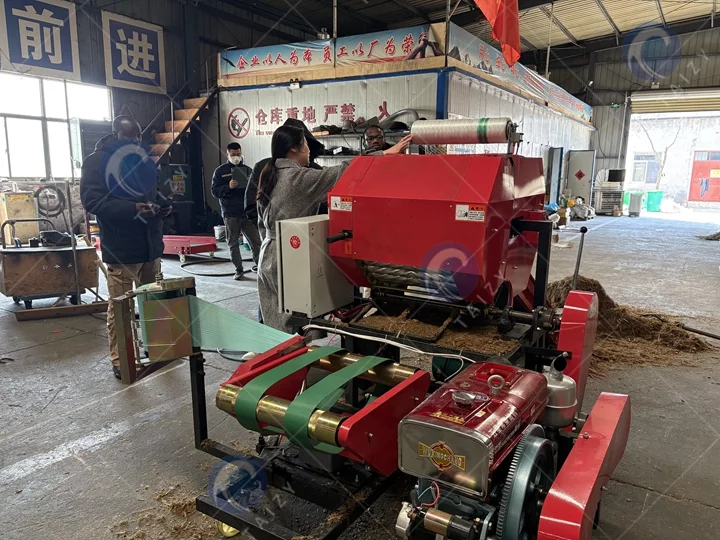
What Is a Dual-Film Silage Wrapping Machine?
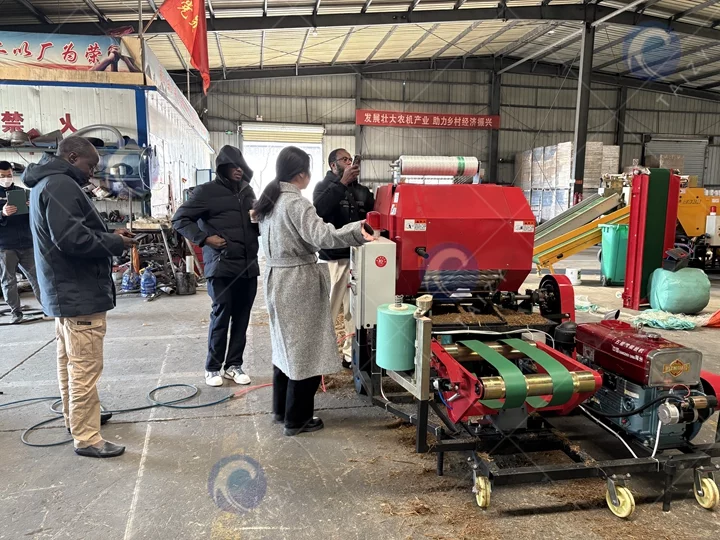
A dual-film silage wrapping machine uses two film rolls simultaneously to cover the bale. The two rolls apply film during the same wrapping cycle, allowing the machine to cover the bale more efficiently when the system is properly configured.
This design is particularly useful for farms, livestock operations, and agricultural contractors that need to process more silage bales during busy harvesting periods.
Key Features of Dual-Film Wrapping Machines
- Simultaneous film application: Two film rolls work together during the wrapping process.
- Potentially shorter wrapping cycles: Using two rolls can reduce the time required to apply the necessary film layers, depending on the machine design.
- Higher operational efficiency: Faster wrapping can help reduce waiting time when many bales need to be processed.
- Suitable for larger workloads: It can be a good choice for commercial farms and silage contractors with higher daily production targets.
A dual-film system does not automatically guarantee better preservation. The final result still depends on film quality, overlap, stretch settings, the number of layers, and correct machine operation.
Single-Film vs. Dual-Film Silage Wrapping Machine: Key Differences
The main difference is the number of film rolls used simultaneously. However, buyers should also consider the impact on wrapping time, maintenance, investment, and production requirements.
| Comparison Factor | Single-Film Machine | Dual-Film Machine |
|---|---|---|
| Film application | One roll at a time | Two rolls simultaneously |
| মোড়ানো দক্ষতা | Depends on machine speed and bale size | Can reduce wrapping time with a suitable design |
| Machine structure | Generally simpler | Includes two film-roll systems |
| Film loading | One roll to load | Two rolls to load |
| রক্ষণাবেক্ষণ | Fewer film-handling components | Requires checking both film systems |
| Initial investment | May be lower for comparable models | May be higher, depending on configuration |
| Suitable applications | Small to medium workloads | Medium to large workloads and time-sensitive operations |
These comparisons are general guidelines rather than fixed rules. Actual performance and purchase cost depend on the specific machine model, bale dimensions, automation level, and working conditions.
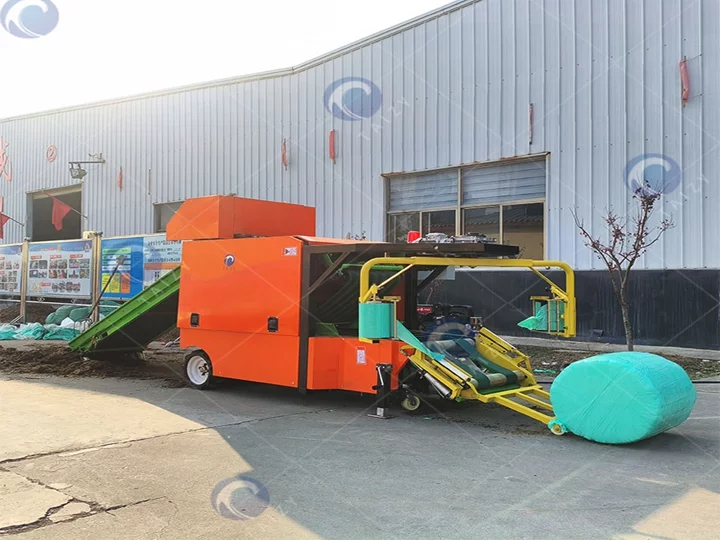
Which Machine Provides Better Silage Preservation?
Both single-film and dual-film machines can produce well-sealed silage bales when operated correctly. The goal is to create a continuous film barrier that limits oxygen entry and supports proper anaerobic fermentation.
The quality of silage preservation depends on several factors:
- Uniform film coverage: Apply sufficient overlapping layers across the entire bale.
- Suitable wrapping film: Use agricultural stretch film designed for silage preservation.
- Timely wrapping: Wrap bales promptly after baling to reduce unnecessary oxygen exposure.
- Proper bale handling: Avoid puncturing or tearing the film during transportation and storage.
- Correct storage: Keep wrapped bales on a suitable surface and inspect them regularly for damage.
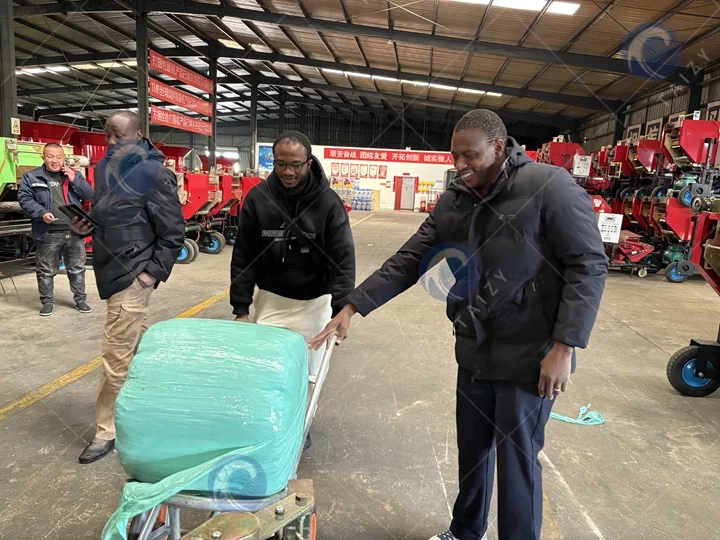
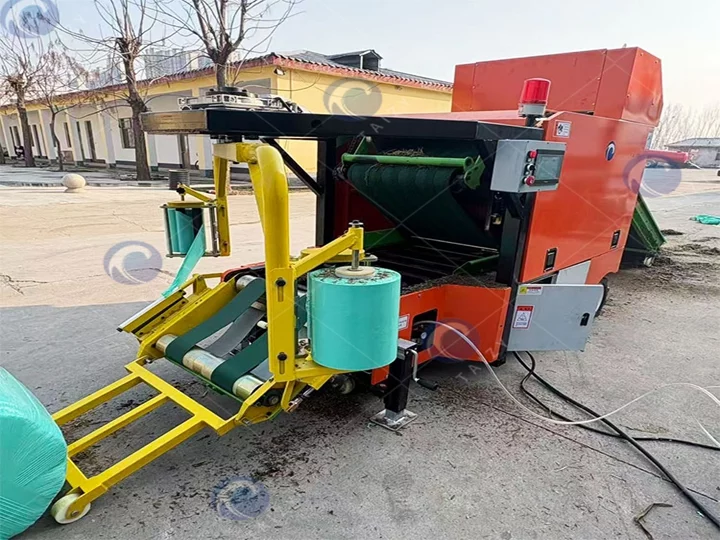
A dual-film system can help speed up the wrapping process, but film quality and correct operating practices remain essential for both machine types.
উপসংহার
The choice between a single-film and dual-film silage wrapping machine depends on your production volume, budget, and required wrapping speed. Single-film machines offer a straightforward solution for moderate workloads, while dual-film machines can improve wrapping efficiency for higher-volume operations.
Compare machine capacity, film application, operating costs, and after-sales support before making a decision. Selecting equipment that matches your farm’s needs can help improve silage handling efficiency and support consistent forage preservation.