
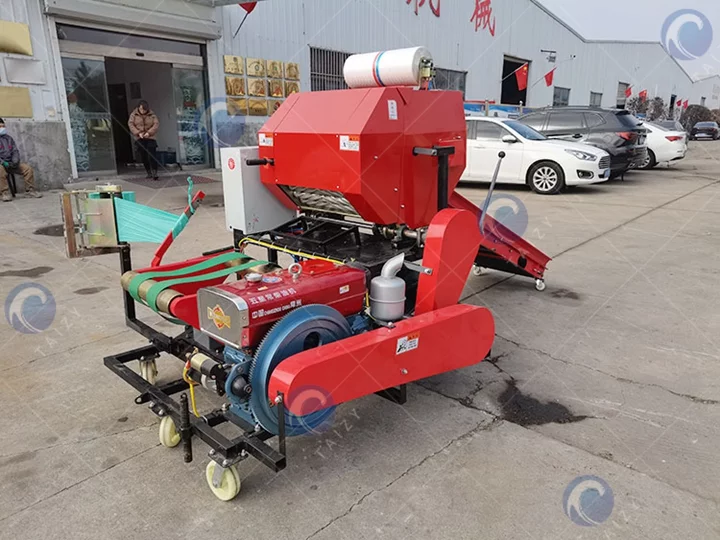
Guia de Preços e Fatores de Custo para Ensiladeiras de Fardos Redondos
Investing in a silage round baler is essential for forage preservation and livestock farming. This guide outlines key price-influencing factors and the four core models—55-52, 60-52, 70-70, and hydraulic models—to help you choose a machine that fits your operation scale.
Four Core Silage Round Baler Models
Silage round balers are mainly divided into four key models, with prices varying based on their specs and functionality.
1. Model 55-52 (Compact Small-Scale)
A compact option for small farms, family ranches, and low-volume operations. Its smaller bale size, space-saving design, and simple operation make it ideal for first-time buyers or those with limited storage and workloads.
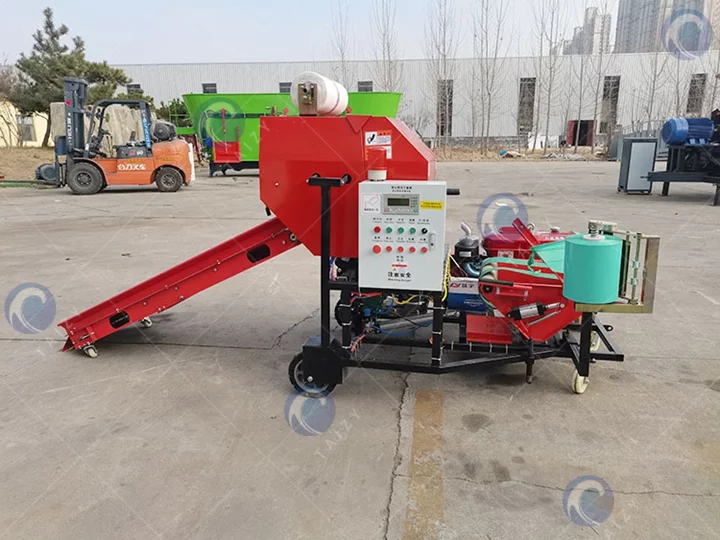
2. Model 60-52 (Compact Small-Scale)
Another compact choice, with a slightly larger bale size than the 55-52. It retains easy operation and a small footprint, suitable for small to medium-sized family farms with moderate forage and storage needs.
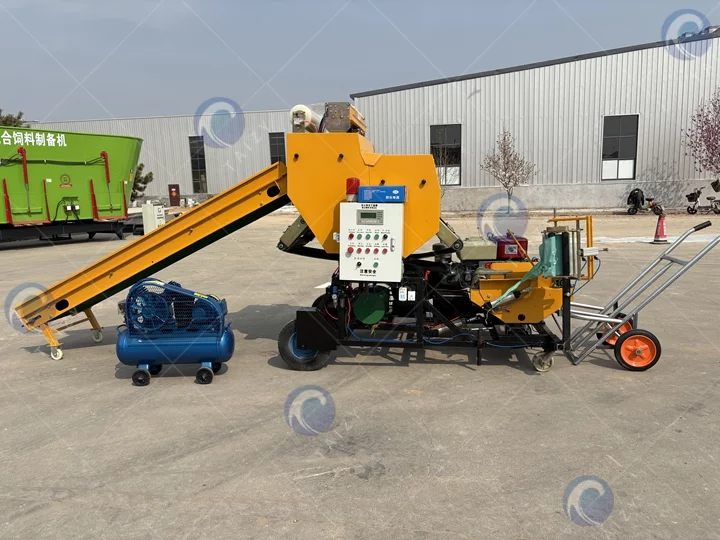
3. Model 70-70 (Mid-Size)
A mid-size baler with the largest bale size among the three non-hydraulic models. Ideal for medium-large farms, dairy operations, and cooperatives, it delivers denser bales and often includes semi-automatic features (e.g., dual wrapping, automatic film cutting) to reduce labor.
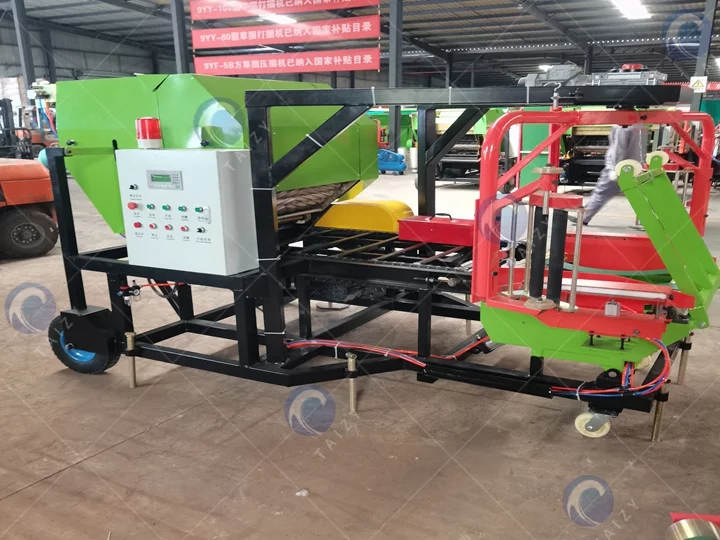
4. Hydraulic Model (High-Density, High-Output)
Tailored for large commercial farms, fodder factories, and biomass processors, this model stands out with much higher output. Equipped with a powerful hydraulic system, it produces dense, stackable bales and offers diesel or electric power options to meet high-volume processing needs.
Core Cost Factors
The price of these models is primarily determined by several key factors, with the hydraulic model commanding a premium due to its advanced specs.
1. Model and Specs
The three non-hydraulic models are cost-effective with slight price differences tied to bale size. The hydraulic model’s higher price reflects its superior output and advanced hydraulic system.
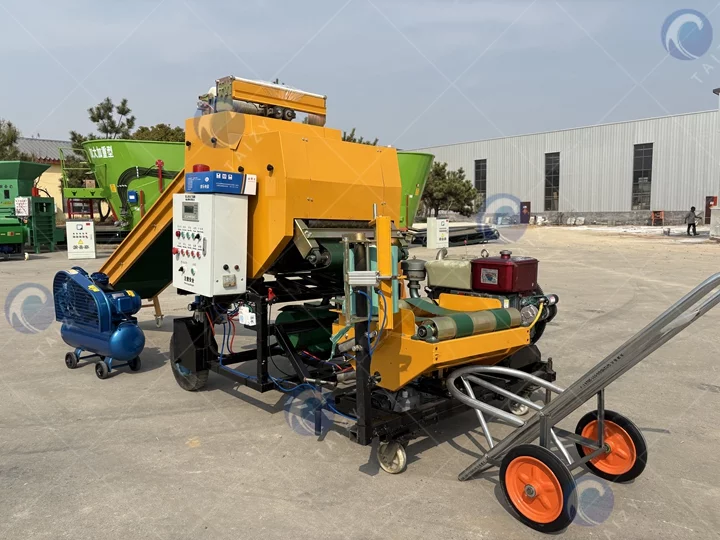
2. Power System
Electric models are more affordable upfront, while diesel options add to costs for greater mobility. The hydraulic model’s higher power requirements also increase its investment cost, as do auxiliary motors for supporting equipment.
3. Automation and Functionality
Automated features (e.g., automatic feeding, wrapping) improve efficiency but raise prices, with the 70-70 and hydraulic models typically offering more advanced automation to align with their use cases.
4. Material and Durability
Frame quality, welding, and anti-corrosion treatment impact both cost and service life. The hydraulic model uses higher-quality materials to withstand heavy-duty, continuous operation.
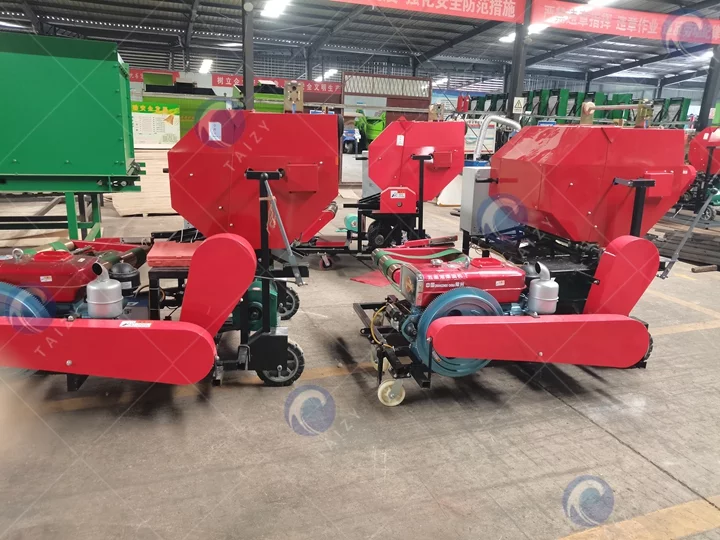
5. Supporting Equipment and After-Sales
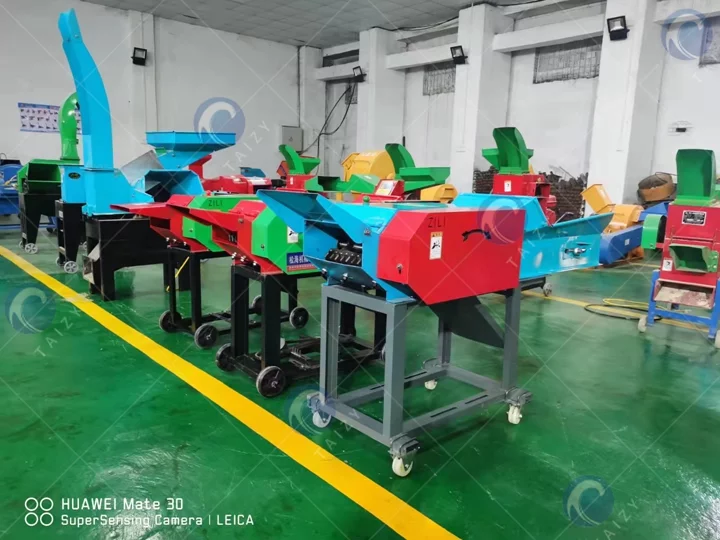
Matching equipment (e.g., chaff cutters, conveyors) boosts efficiency but adds to total investment—especially important for the hydraulic model to maximize its output. Warranty terms, after-sales service, and logistics also influence final costs.
Choosing the Right Baler
Select based on your farm scale, bale size, and output needs: the three non-hydraulic models suit medium-low output with choices based on bale size, while the hydraulic model is ideal for high-volume processing. Prioritize long-term value over initial cost, and contact us for personalized recommendations.